Cruelty-free, sustainable and stunning — vegan bone china is making its way from global dining tables to Kolkata’s conscious hosts’ homes

From plant-based burgers to cruelty-free leather, the world is slowly embracing veganism. Sustainability, animal welfare, and conscious consumption are shaping the way we eat, shop, and live. This shift isn’t limited to food or fashion anymore; it’s finding its way into home décor and luxury dining, too, changing what we serve on our tables.
The allure of bone china and its cruelty equation
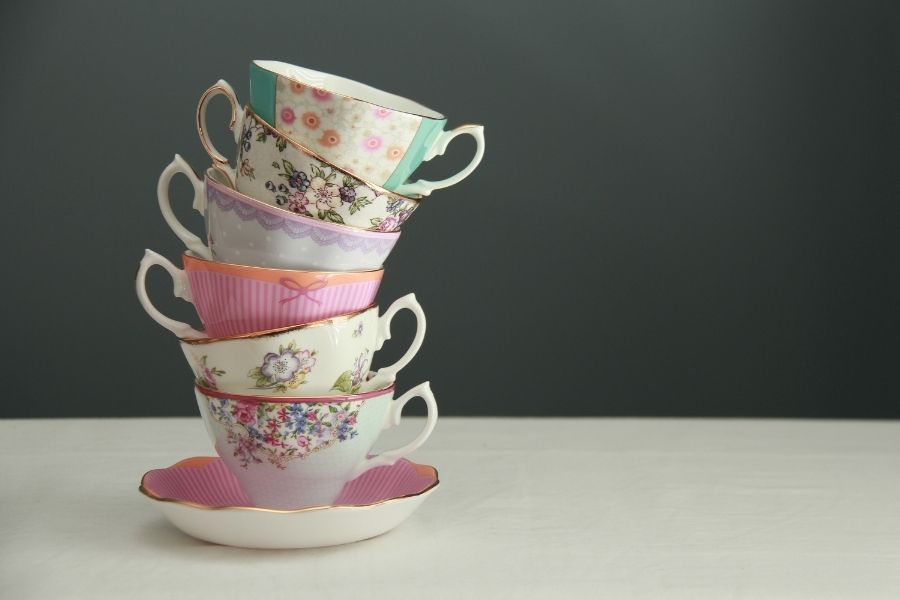
Bone china was first developed in England in the late 18th century by Josiah Spode, who perfected the formula around 1794, using bone ash, feldspathic material, and kaolin.
Bone china came to India during the British colonial period, mainly in the 19th century, when British officials and royalty brought it with them. It became a status symbol among Indian elites and princely states, who began using imported bone china for formal dining and banquets.
The East India Company’s trade networks made it accessible, and by the late 1800s, it was considered a mark of sophistication in colonial households. Post-Independence, Indian ceramic brands like Bharat Potteries and Clay Craft started producing bone china domestically, making it more widely available.
For centuries, bone china has been synonymous with tableware elegance. But traditional bone china is made with animal bone ash, and with the world moving towards ethical living, many are now questioning whether this timeless luxury still aligns with their values.